
+86-574 86567814


 中文簡體
中文簡體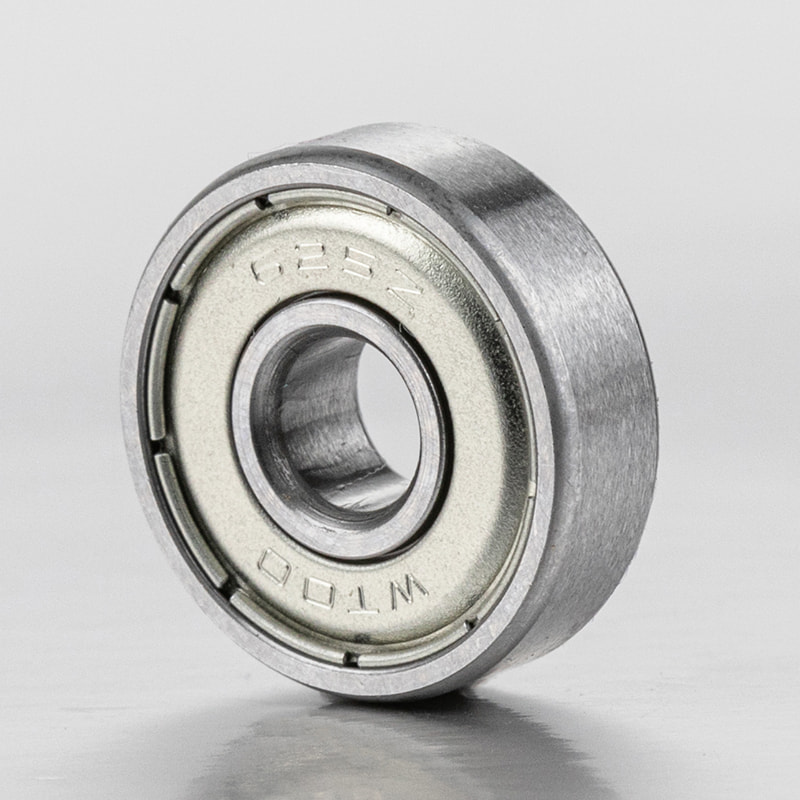
625-Super quiet, high precision, long life deep groove ball bearings
Deep groove ball bearings Deep groove ball bearing...
View more
Deep groove ball bearings Deep groove ball bearing...
View more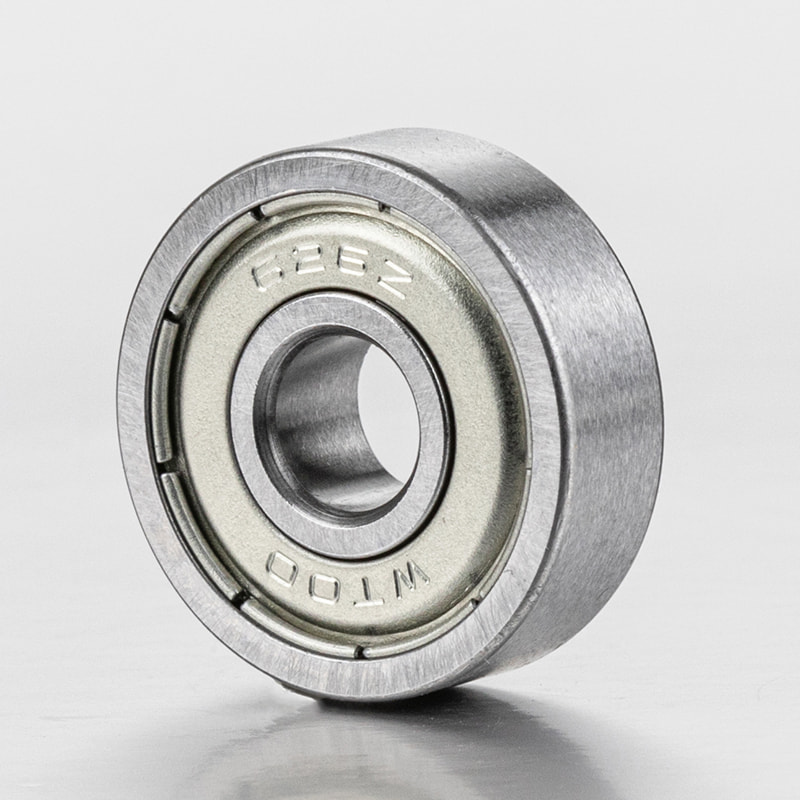
Deep groove ball bearings Deep groove ball bearing...
View more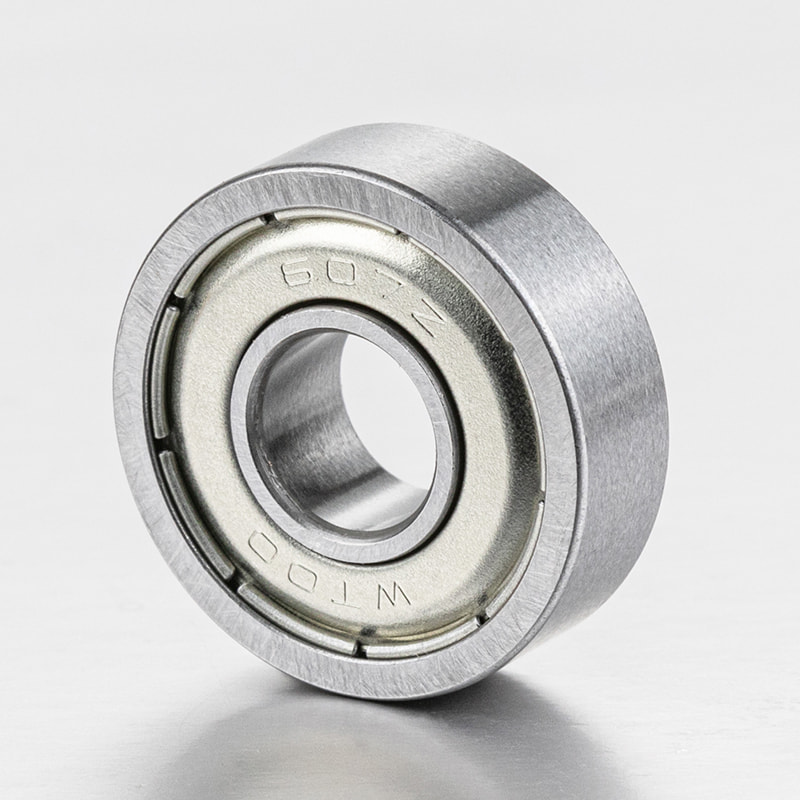
Deep groove ball bearings Deep groove ball bearing...
View moreThe foundation of maximizing Return on Investment (ROI) in rotary applications begins long before the machine starts. For Angular Contact Ball Bearings, the service life is inextricably linked to how well the bearing’s design matches the application’s stress profile. These bearings are uniquely engineered with a contact angle () that allows them to support “combined loads”—situations where both radial and axial forces act simultaneously on the shaft.
In the world of high-precision bearings, one size does not fit all. The contact angle determines the ratio of axial to radial load capacity.
Choosing an incorrect contact angle leads to a “mismatched load” condition. For instance, using a bearing in a high-axial-thrust environment causes the balls to ride too high on the raceway shoulder, leading to edge loading and premature spalling. By ensuring the contact angle matches the resultant force vector, you can extend the calculated L10 life by up to 50%.
When procurement teams focus solely on the initial price of a bearing, they often ignore the Total Cost of Ownership. A premium Angular Contact Ball Bearing with optimized internal geometry may cost 20% more but can last three times longer than a budget alternative. Reducing the frequency of bearing replacements directly slashes labor costs and minimizes “unplanned downtime”—the single greatest enemy of industrial ROI.
Unlike deep groove ball bearings, Angular Contact Ball Bearings require a controlled internal pressure, known as preload, to function correctly. Preload eliminates internal clearance, ensuring that the rolling elements are always in contact with the raceways, which is vital for maintaining spindle accuracy and preventing ball skidding.
How you arrange your bearing pairs dictates the rigidity and thermal stability of the entire assembly.
As speed increases, friction generates heat, causing the shaft and the bearing’s inner ring to expand. In a rigid preload setup, this expansion can lead to “thermal runaway,” where the preload increases uncontrollably until the bearing seizes. To improve ROI, many modern facilities are switching to spring preload or Universal Matching bearings. Universal matching allows for flexible mounting without custom shims, ensuring that the preload remains within the manufacturer’s specified tolerance even under variable thermal conditions.
Lubrication failure is responsible for approximately 36% of all premature bearing failures. For Angular Contact Ball Bearings, the lubrication regime must be precise because these bearings often operate at the edge of their speed ratings ( factor).
The choice of lubricant is a balancing act between maintenance convenience and bearing longevity.
| Feature | Grease Lubrication | Oil-Air Lubrication | Solid Lubricant |
|---|---|---|---|
| Speed Limit | Up to 75% of limit | 100% of limit | Low speeds only |
| Contamination Protection | Excellent (Acts as a seal) | Moderate (Positive pressure) | Superior in vacuums |
| Maintenance Interval | Periodic re-greasing | Continuous monitoring | Maintenance-free |
| ROI Contribution | Lower system cost | Maximum bearing life | Specialized environments |
Even the best-engineered bearing will fail within hours if it is subjected to improper mounting forces. “Infant mortality”—failure shortly after installation—is almost always caused by human error or incorrect tooling.
When installing an Angular Contact Ball Bearing onto a shaft, the mounting force must only be applied to the ring being fitted (usually the inner ring). If force is transmitted through the balls, it causes microscopic indentations called Brinelling. These indentations become the focal point for future pits and cracks. Using an induction heater to expand the inner ring for a “shrink-fit” is the most effective way to ensure a damage-free installation, thereby protecting your long-term ROI.
Because of the high-precision nature of 7000-series or 7200-series bearings, even a 5-micron dust particle can breach the lubricant film. This leads to abrasive wear, which dulls the raceways and increases vibration. Ensuring that the assembly area is clean and that bearings remain in their original packaging until the moment of installation is a zero-cost way to significantly boost the service life of your machinery.
Q: What is the “V-mark” on the outer ring of a matched pair?
A: The V-mark is an alignment guide. When the “V” is aligned across the set, it ensures that the contact angles and bores are perfectly synchronized as intended by the factory for optimal load sharing.
Q: How does “skidding” damage an Angular Contact Ball Bearing?
A: Skidding occurs when the axial load is too light, causing the balls to slide rather than roll. This creates “smearing” on the raceway, which generates heat and leads to rapid surface fatigue.
Q: Can I replace a steel ball bearing with a Ceramic Hybrid bearing?
A: Yes. Ceramic (Silicon Nitride) balls are harder, lighter, and generate less friction. While the initial cost is higher, the ROI is often better in high-speed or high-temp applications due to significantly longer intervals between failures.
Deep groove ball bearings Deep groove ball bearings are widely used bearing type and are particularly versatile. They have low friction and are optimized for low noise and low vibration which enables ...
See Detail
Deep groove ball bearings Deep groove ball bearings are widely used bearing type and are particularly versatile. They have low friction and are optimized for low noise and low vibration which enables ...
See Detail
Deep groove ball bearings Deep groove ball bearings are widely used bearing type and are particularly versatile. They have low friction and are optimized for low noise and low vibration which enables ...
See Detail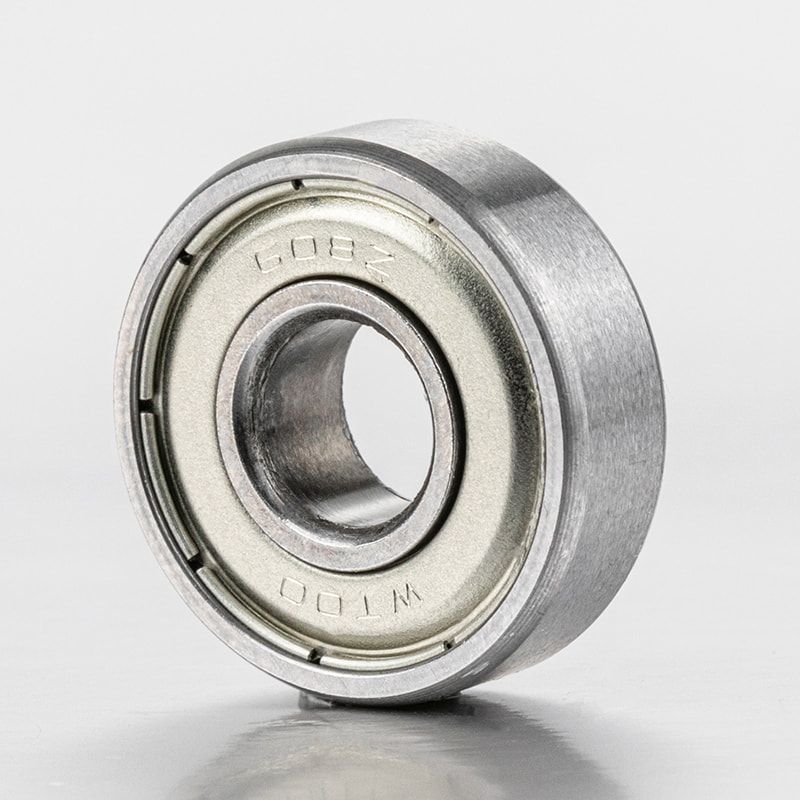
Deep groove ball bearings Deep groove ball bearings are widely used bearing type and are particularly versatile. They have low friction and are optimized for low noise and low vibration which enables ...
See Detail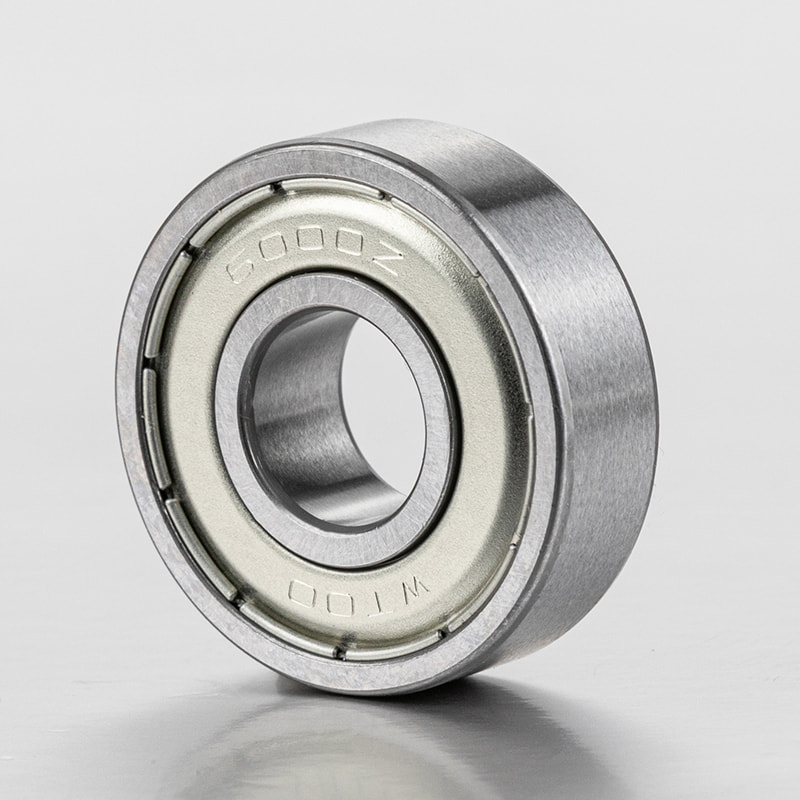
Deep groove ball bearings Deep groove ball bearings are widely used bearing type and are particularly versatile. They have low friction and are optimized for low noise and low vibration which enables ...
See Detail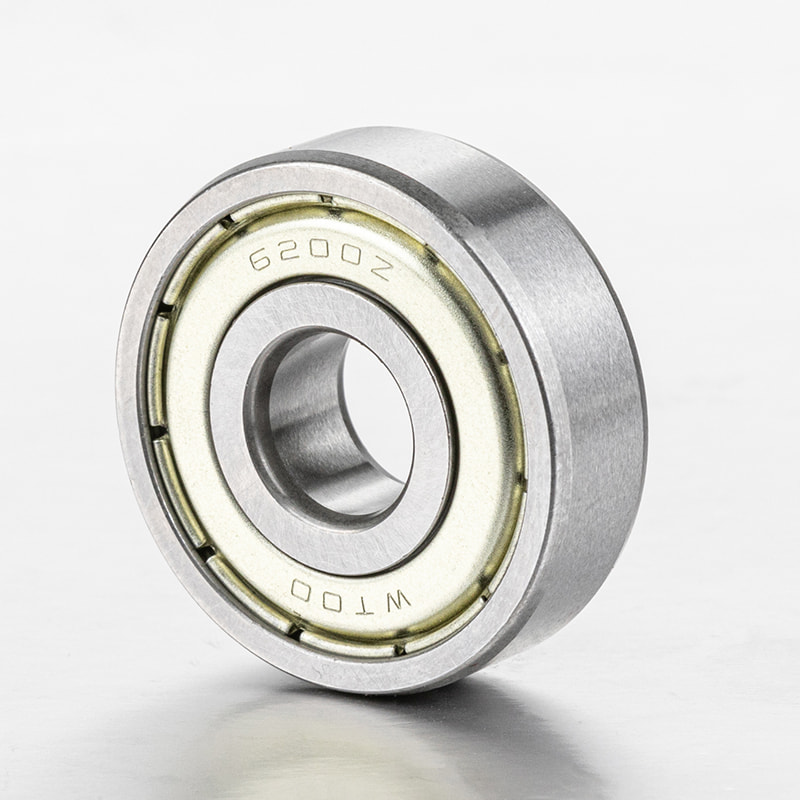
Deep groove ball bearings Deep groove ball bearings are widely used bearing type and are particularly versatile. They have low friction and are optimized for low noise and low vibration which enables ...
See Detail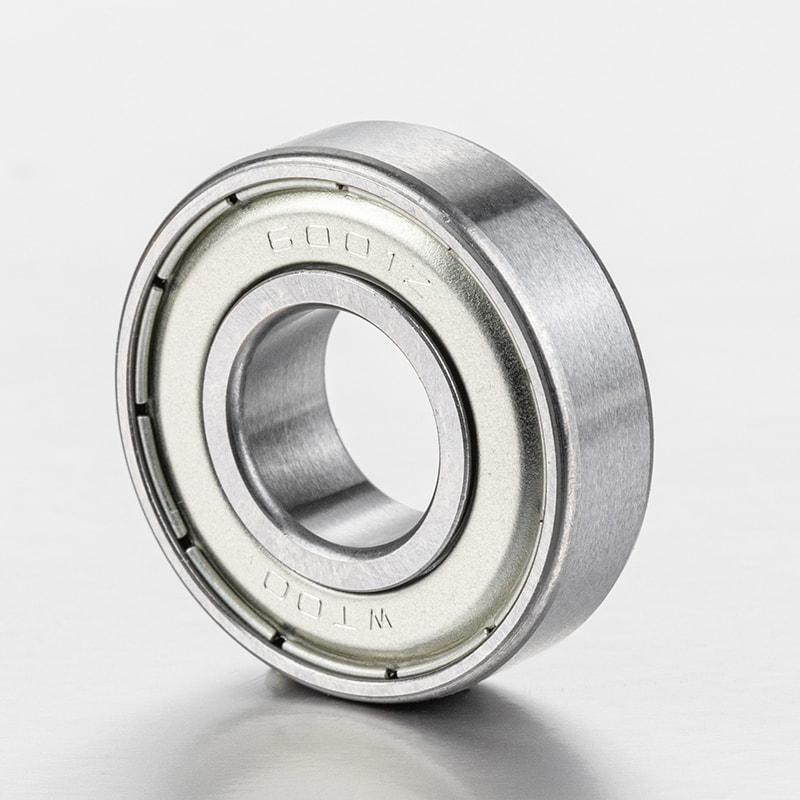
Deep groove ball bearings Deep groove ball bearings are widely used bearing type and are particularly versatile. They have low friction and are optimized for low noise and low vibration which enables ...
See Detail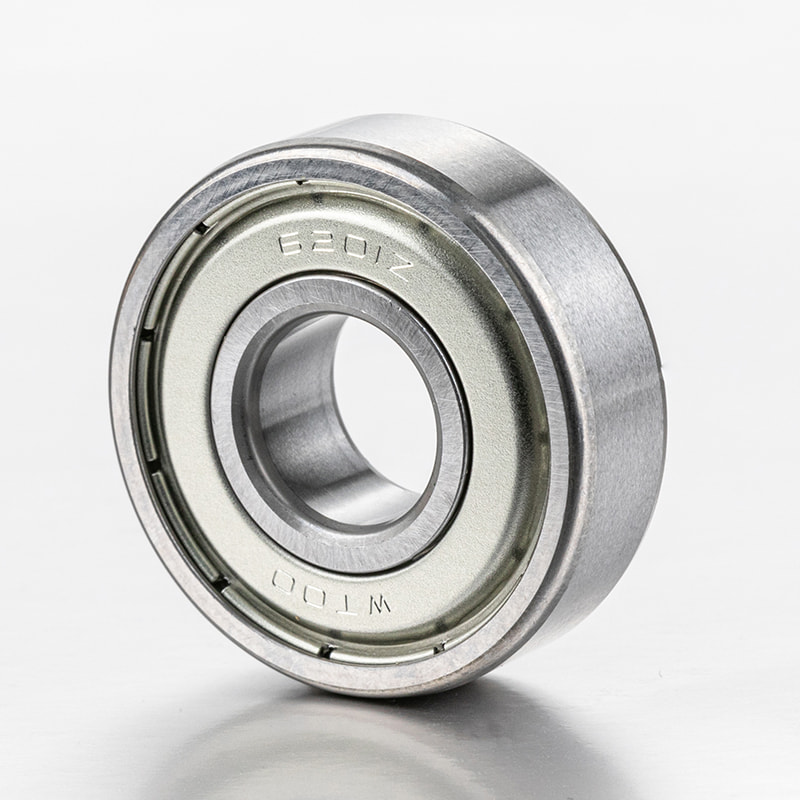
Deep groove ball bearings Deep groove ball bearings are widely used bearing type and are particularly versatile. They have low friction and are optimized for low noise and low vibration which enables ...
See Detail
Copyright ? 寧波達爾機械科技有限公司Ningbo WTOO Machinery Technology Co., Ltd. Rights Reserved.
 Custom Miniature Deep Groove Ball Bearings Suppliers浙ICP備19027530號-1

浙江省寧波市鎮(zhèn)海區(qū)駱駝街道盛興路999號

+86-0574-86578848
+86-0574-86567806
+86-0574-86553993
