
+86-574 86567814


 中文簡體
中文簡體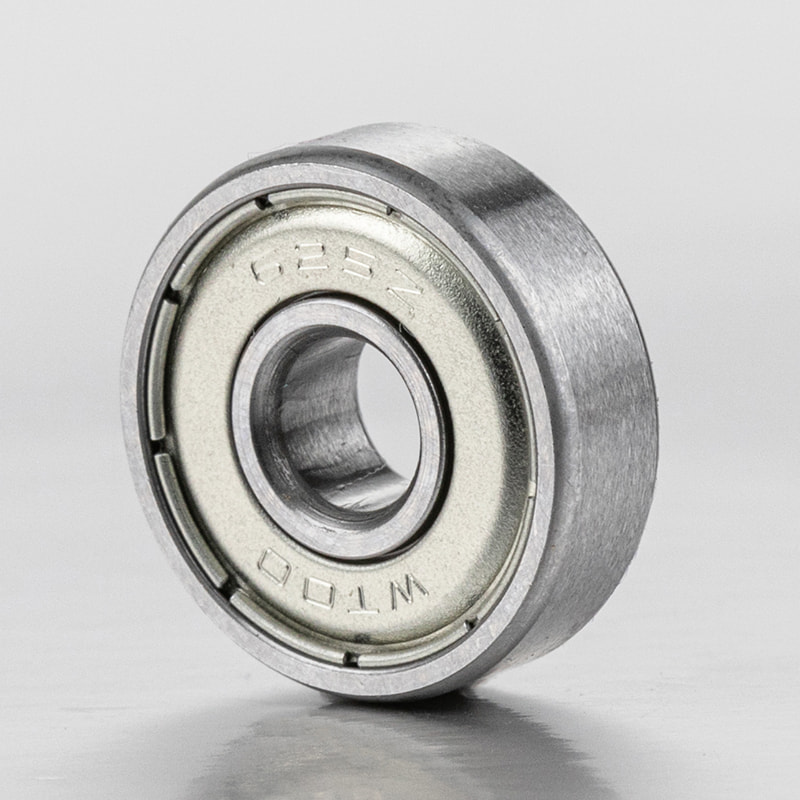
625-Super quiet, high precision, long life deep groove ball bearings
Deep groove ball bearings Deep groove ball bearing...
View more
Deep groove ball bearings Deep groove ball bearing...
View more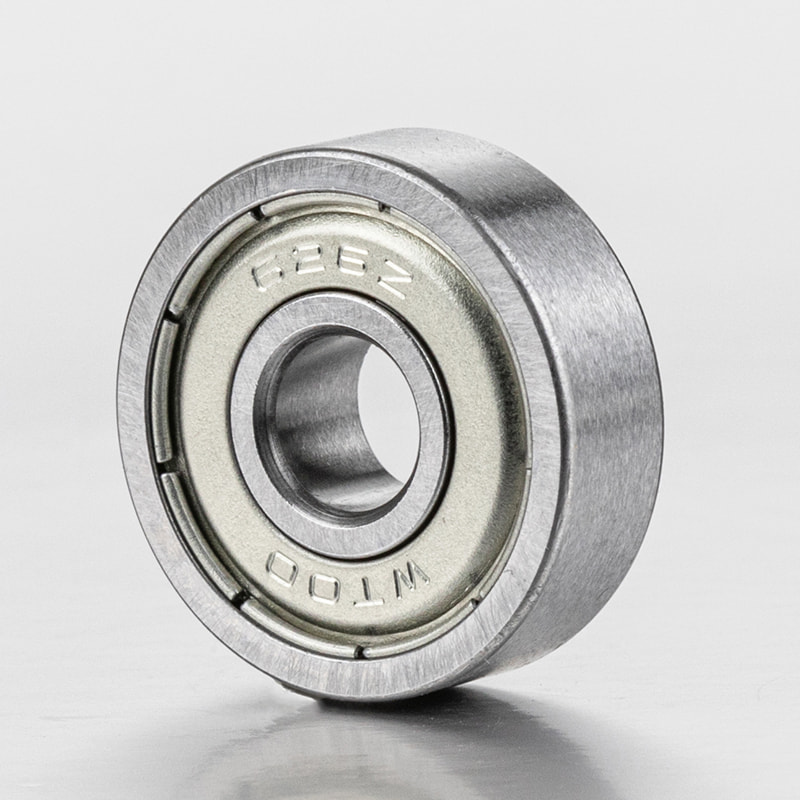
Deep groove ball bearings Deep groove ball bearing...
View more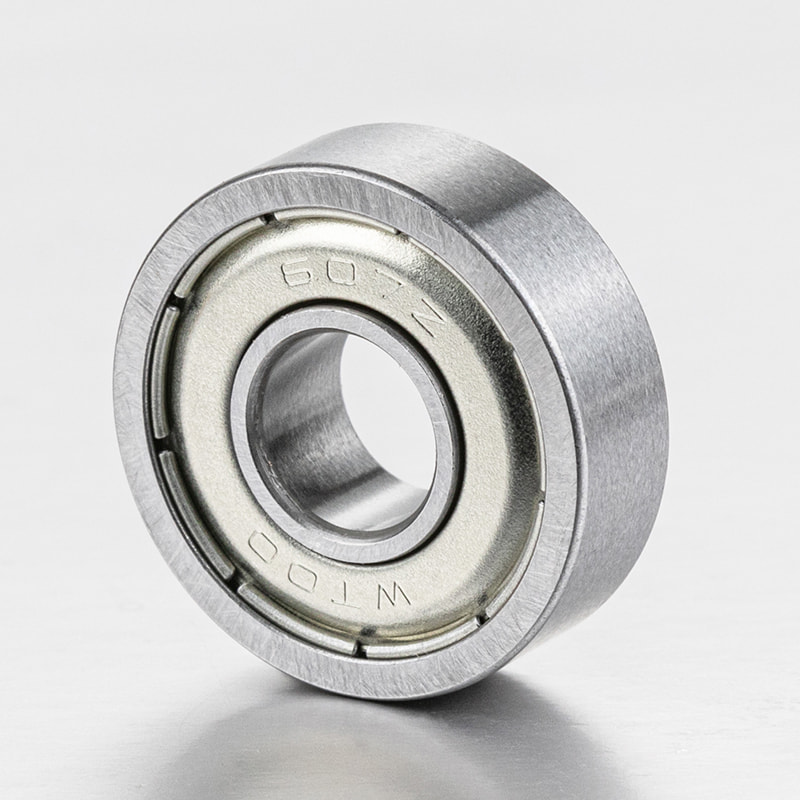
Deep groove ball bearings Deep groove ball bearing...
View moreBall bearings are critical components in industrial machinery, automotive equipment, and precision devices. They reduce friction, support radial and axial loads, and enable smooth rotational movement. Choosing the right ball bearing is essential for ensuring optimal machinery performance, reducing energy consumption, and extending operational lifespan. An incorrect bearing selection can cause premature wear, unexpected downtime, and higher maintenance costs.?
Deep groove ball bearings are the most widely used type due to their versatility. They can handle high radial loads and moderate axial loads in both directions. Their simple design allows for high-speed operation and low friction, making them suitable for electric motors, conveyor systems, and general industrial machinery. When selecting bearings for high-RPM applications, deep groove bearings are often the preferred choice due to their stability and efficient operation. Their wide availability and cost-effectiveness also make them a go-to option for most industrial setups.
Angular contact ball bearings are designed to handle combined radial and axial loads, with a greater capacity for axial load compared to deep groove bearings. They are ideal for applications where precise axial positioning is required, such as in pumps, high-speed spindles, and precision machinery. When selecting angular contact bearings, it is important to consider the mounting arrangement, as they are often used in pairs or sets to balance axial forces and maintain accurate alignment.
Self-aligning ball bearings can accommodate misalignment between the shaft and housing, reducing stress on the bearing and surrounding components. They are suitable for machinery that experiences shaft deflection or installation inaccuracies. By automatically adjusting to misalignments, these bearings prevent premature failure and ensure smooth operation. Applications include textile machinery, fans, and conveyor systems where alignment may vary during operation.
Each bearing type has a maximum radial and axial load rating. Radial loads are perpendicular to the shaft, while axial loads act parallel to the shaft. For machinery subjected to primarily radial loads, deep groove bearings are usually sufficient. If axial loads are significant, such as in vertical pumps or gearboxes, angular contact or thrust ball bearings are more appropriate. Selecting a bearing with insufficient load capacity can lead to deformation, overheating, or complete failure, while over-specifying may increase cost unnecessarily.
Ball bearings have specified speed limits based on design, material, lubrication, and tolerance class. Exceeding these speed limits can generate excessive heat, reduce lubrication effectiveness, and cause premature wear. Precision-grade bearings are required for high-speed applications, where friction and heat management are critical. Ensuring that the selected bearing matches or exceeds the machine's RPM ensures reliable operation, prevents failure, and improves efficiency.
| Bearing Type | Radial Load Capacity | Axial Load Capacity | Speed Suitability |
|---|---|---|---|
| Deep Groove | High | Moderate | High-speed, general use |
| Angular Contact | Moderate | High | High-speed, precision machinery |
| Self-Aligning | Moderate | Moderate | Moderate-speed with misalignment tolerance |
Steel bearings, typically made from chrome steel (AISI 52100), are durable, widely available, and cost-effective. They perform well in most industrial applications but may corrode in humid or chemical environments. Steel ball bearings are suitable for standard machinery, automotive equipment, and factory automation systems where environmental exposure is controlled or minimal.
Ceramic bearings, often made from silicon nitride, offer higher hardness, reduced weight, lower thermal expansion, and excellent corrosion resistance. Hybrid bearings, which combine ceramic balls with steel races, provide a balance of cost, durability, and performance. They are preferred for high-speed machinery, aerospace applications, and corrosive environments, where low friction, heat resistance, and long-term reliability are critical.
Temperature extremes, moisture, dust, and chemical exposure affect bearing life. High-temperature environments require heat-resistant bearings and specialized lubricants. Corrosive environments benefit from stainless steel, ceramic, or coated bearings. Considering environmental factors ensures consistent performance, reduces maintenance, and extends service life.
Proper lubrication reduces friction, prevents wear, and minimizes heat generation. Grease-lubricated bearings are ideal for long-term applications with minimal maintenance, while oil-lubricated bearings suit high-speed or high-temperature machinery. Some bearings come pre-lubricated and sealed for easy installation. Choosing the correct lubrication type is essential for maximizing bearing life and efficiency.
Sealed or shielded bearings prevent ingress of dust, dirt, and moisture. Sealed bearings are particularly valuable in harsh or dirty environments, reducing maintenance frequency and protecting internal components. Open bearings are suitable for clean environments but require regular lubrication and monitoring to prevent failure.
Choosing the right ball bearing requires careful consideration of bearing type, load and speed requirements, material properties, environmental conditions, lubrication, and maintenance. Proper selection ensures smooth operation, reduced friction, energy efficiency, and extended machinery life. For SEO purposes, using targeted keywords like “industrial ball bearings,” “precision ball bearings,” and “bearing selection guide” enhances website visibility and attracts relevant traffic from mechanical engineers, maintenance professionals, and industrial buyers.
Consider the direction and magnitude of radial and axial loads, speed, alignment, and environmental conditions to choose the appropriate bearing type.
Yes, ceramic or hybrid bearings are ideal for high-speed, precision, or corrosive applications, offering longer life and reduced friction.
Lubrication frequency depends on load, speed, temperature, and environment. Follow the manufacturer’s guidelines for optimal performance.
Sealed bearings prevent contamination and reduce maintenance, whereas open bearings require regular lubrication but may handle higher temperatures.
Premature failure is often due to overloading, misalignment, improper lubrication, contamination, or exceeding speed limits.
Deep groove ball bearings Deep groove ball bearings are widely used bearing type and are particularly versatile. They have low friction and are optimized for low noise and low vibration which enables ...
See Detail
Deep groove ball bearings Deep groove ball bearings are widely used bearing type and are particularly versatile. They have low friction and are optimized for low noise and low vibration which enables ...
See Detail
Deep groove ball bearings Deep groove ball bearings are widely used bearing type and are particularly versatile. They have low friction and are optimized for low noise and low vibration which enables ...
See Detail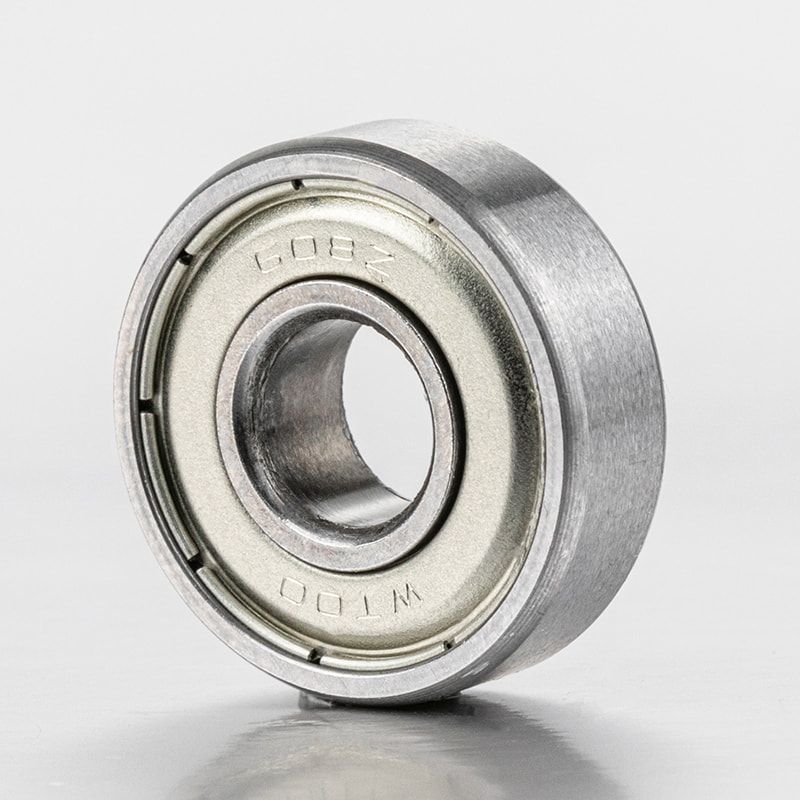
Deep groove ball bearings Deep groove ball bearings are widely used bearing type and are particularly versatile. They have low friction and are optimized for low noise and low vibration which enables ...
See Detail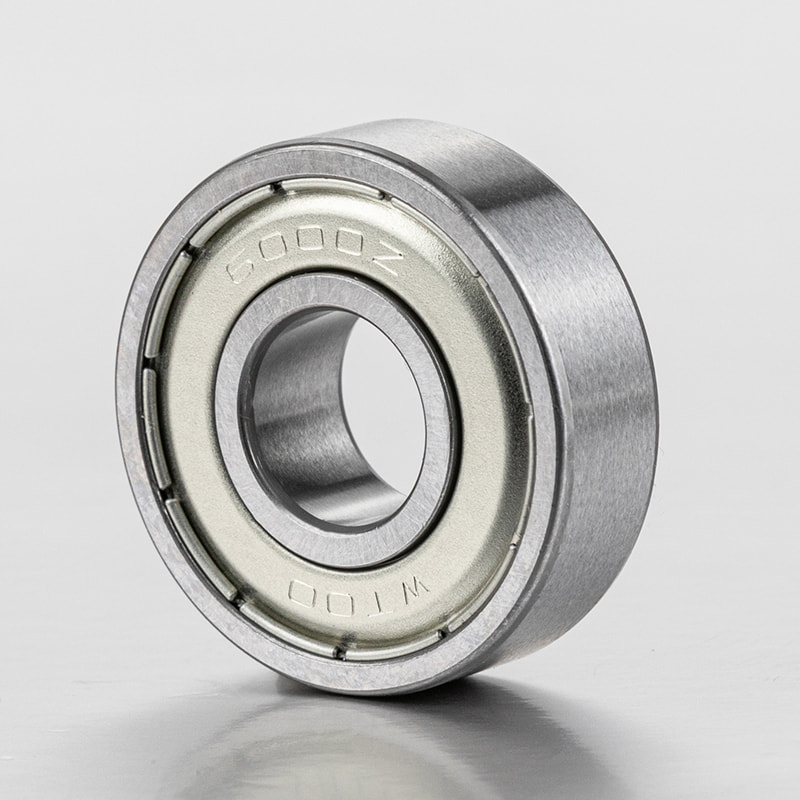
Deep groove ball bearings Deep groove ball bearings are widely used bearing type and are particularly versatile. They have low friction and are optimized for low noise and low vibration which enables ...
See Detail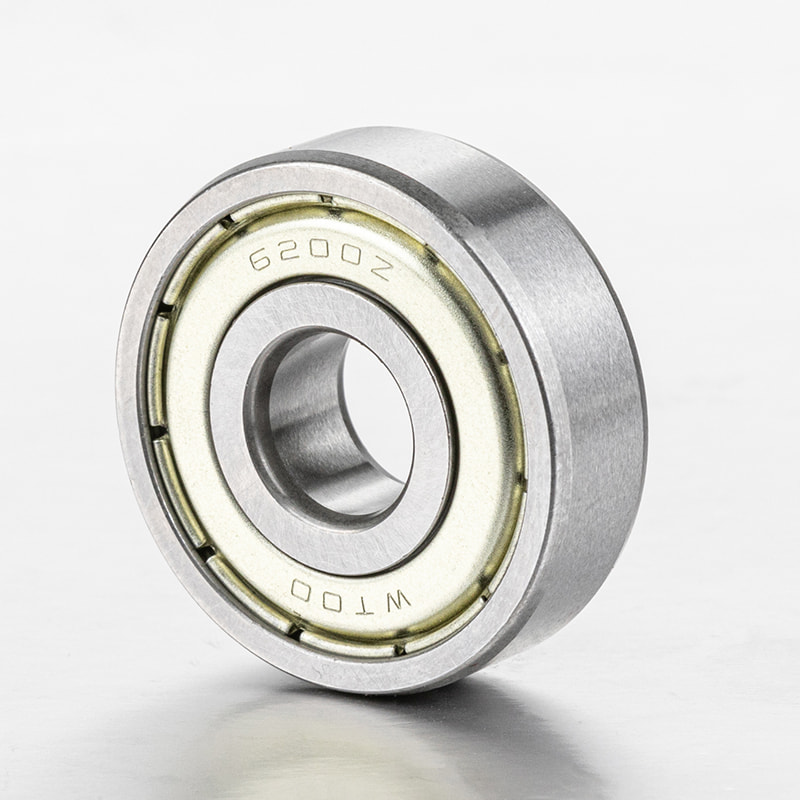
Deep groove ball bearings Deep groove ball bearings are widely used bearing type and are particularly versatile. They have low friction and are optimized for low noise and low vibration which enables ...
See Detail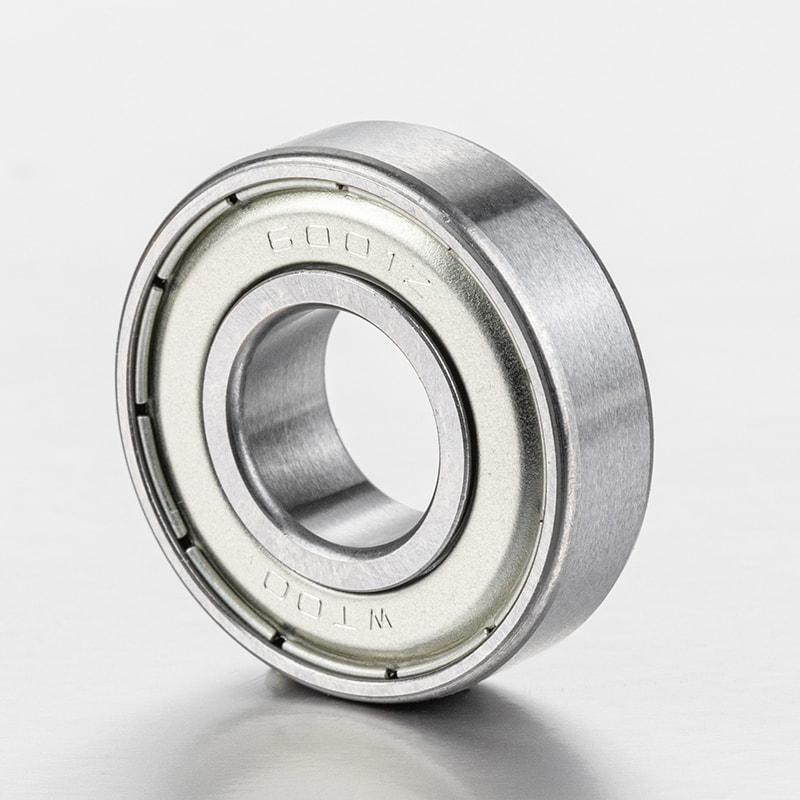
Deep groove ball bearings Deep groove ball bearings are widely used bearing type and are particularly versatile. They have low friction and are optimized for low noise and low vibration which enables ...
See Detail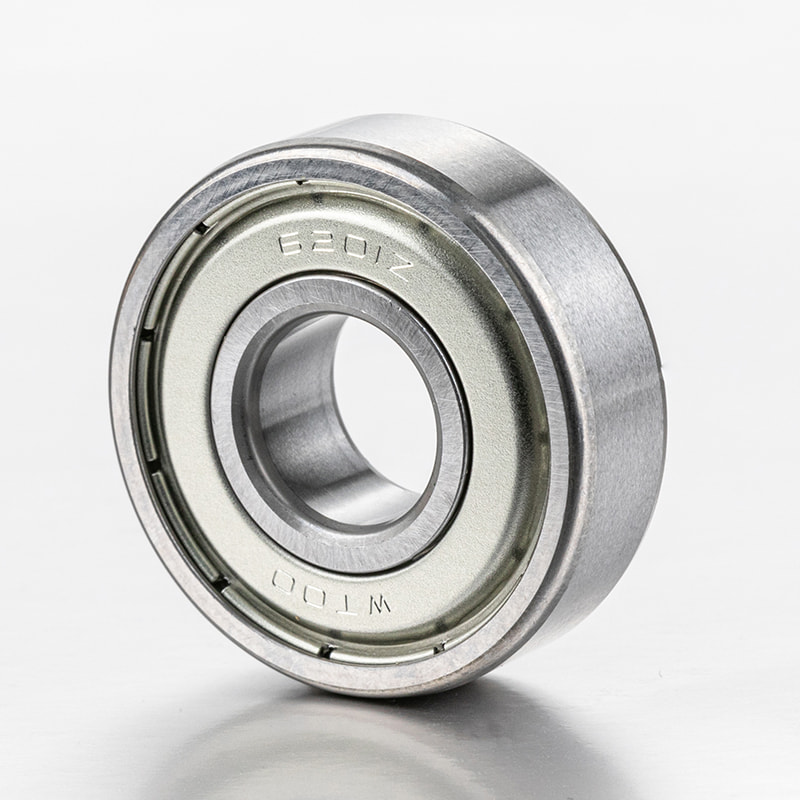
Deep groove ball bearings Deep groove ball bearings are widely used bearing type and are particularly versatile. They have low friction and are optimized for low noise and low vibration which enables ...
See Detail
Copyright ? 寧波達爾機械科技有限公司Ningbo WTOO Machinery Technology Co., Ltd. Rights Reserved.
 Custom Miniature Deep Groove Ball Bearings Suppliers浙ICP備19027530號-1

浙江省寧波市鎮(zhèn)海區(qū)駱駝街道盛興路999號

+86-0574-86578848
+86-0574-86567806
+86-0574-86553993
