
+86-574 86567814


 中文簡體
中文簡體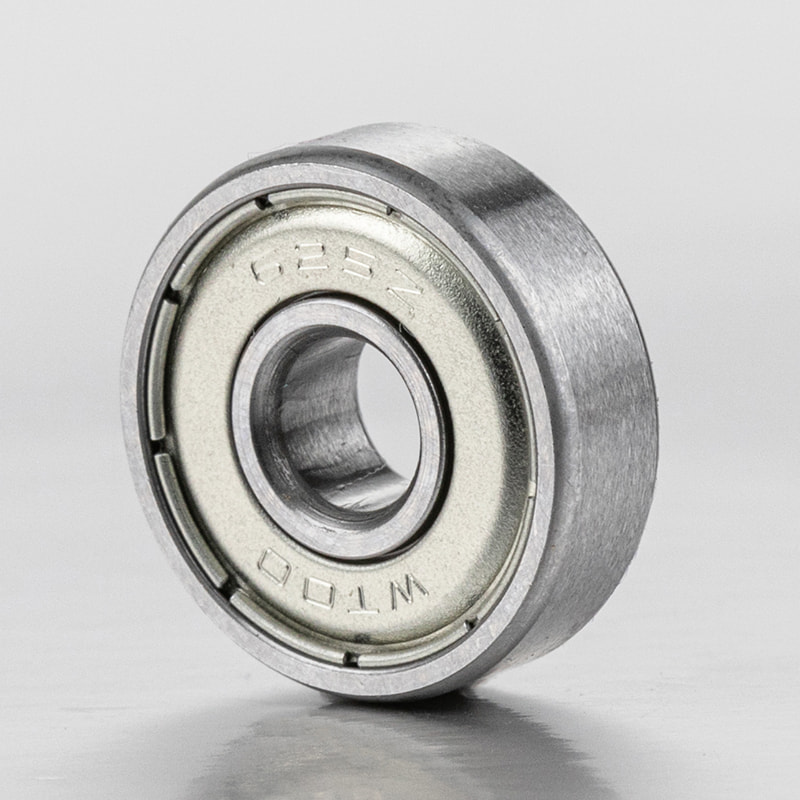
625-Super quiet, high precision, long life deep groove ball bearings
Deep groove ball bearings Deep groove ball bearing...
View more
Deep groove ball bearings Deep groove ball bearing...
View more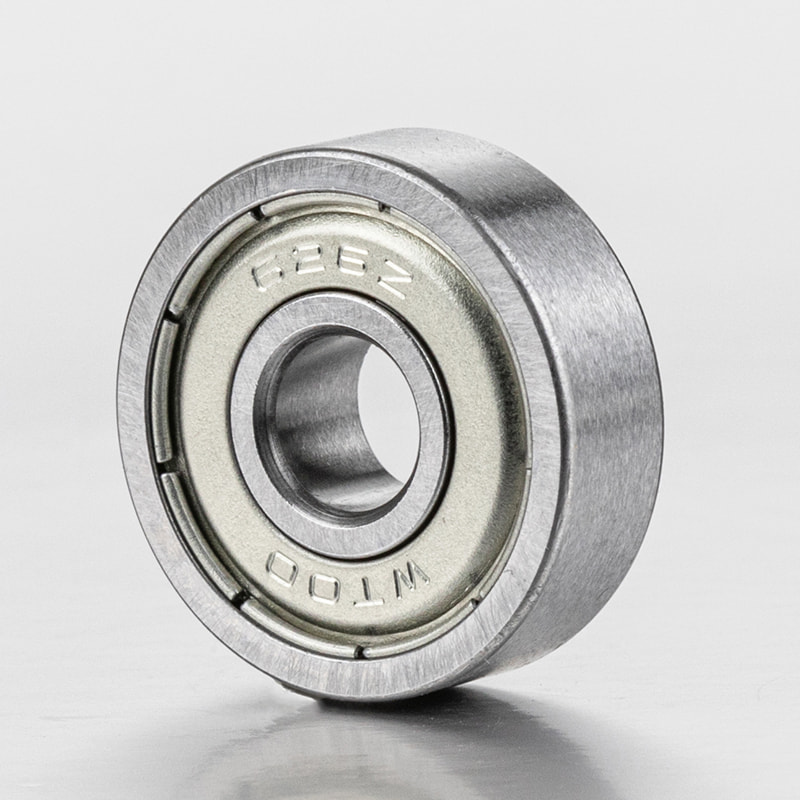
Deep groove ball bearings Deep groove ball bearing...
View more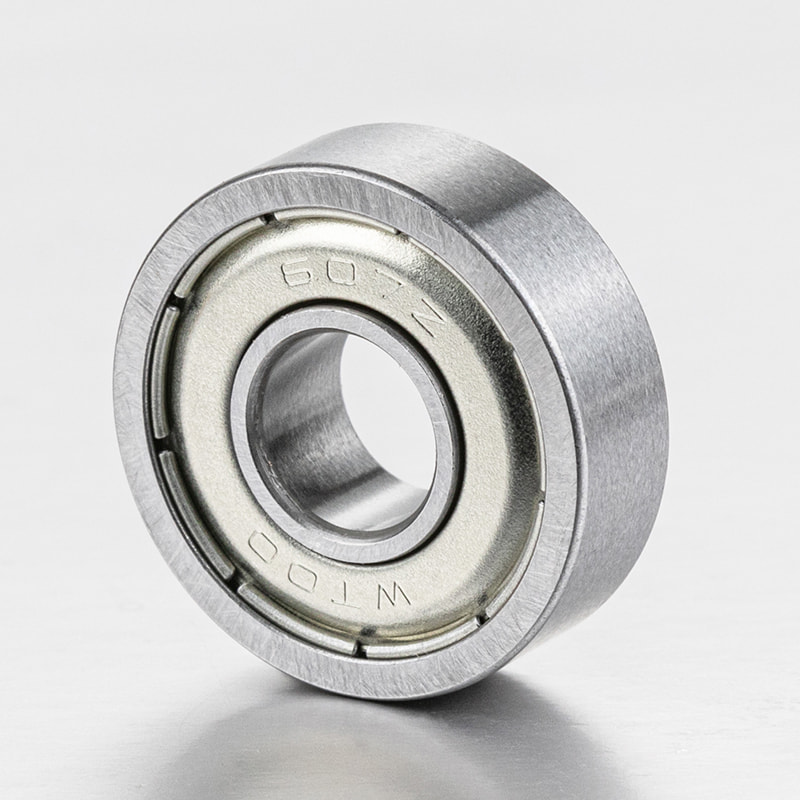
Deep groove ball bearings Deep groove ball bearing...
View moreAngular contact ball bearings are precision rolling-element bearings designed to accommodate combined radial and axial loads simultaneously. Unlike standard radial ball bearings, the contact angle between the balls and raceways allows them to handle significant axial loads in one direction while maintaining radial load capacity. The higher the contact angle, the greater the axial load capability, making them ideal for high-speed, high-precision applications such as CNC machines, spindles, and robotics. Angular contact bearings can operate in pairs or sets to manage axial loads in both directions, improving machine stability and precision. Proper selection and installation ensure longer service life, reduced friction, and optimal efficiency.
An angular contact ball bearing consists of an inner ring, outer ring, balls, and cage. The balls roll between raceways at a specific contact angle, distributing loads efficiently. The bearing may be single-row or double-row, with double-row bearings able to handle higher axial and radial loads simultaneously. These bearings are widely used in industrial automation and precision equipment, where both high-speed rotation and load management are critical.
| Component | Function |
|---|---|
| Inner Ring | Supports the rotating shaft and houses raceway |
| Outer Ring | Holds the bearing in the housing |
| Balls | Roll between inner and outer raceways, transferring load |
| Cage | Keeps balls evenly spaced and guides rotation |
Choosing the correct angular contact ball bearing requires evaluating load conditions, speed, operating temperature, and precision requirements. Radial and axial loads must be calculated, including peak and continuous load scenarios. High-speed machinery requires low-friction bearings with precise tolerances, while heavy-load applications need bearings with higher load ratings. The contact angle and arrangement (single, double, or back-to-back configuration) influence axial load capacity and rigidity. Additionally, lubrication method, housing design, and environmental conditions, such as dust or moisture, should be considered. Selecting a properly rated bearing ensures reliable operation, energy efficiency, and minimal maintenance in industrial systems.
Angular contact ball bearings offer multiple benefits for industrial machinery. Their ability to handle combined radial and axial loads allows for precise motion control, essential in robotics, CNC machines, and spindle drives. They offer low friction, high-speed capability, and minimal vibration, contributing to smoother operation and longer machine lifespan. Their versatility in configuration—single, double, or paired—makes them suitable for various load directions. Additionally, these bearings provide high rigidity, ensuring accurate positioning and enhanced operational efficiency in demanding industrial environments. Proper selection maximizes equipment reliability and reduces downtime.
The contact angle in angular contact ball bearings determines how axial loads are supported. A higher contact angle increases the bearing’s axial load capacity but may slightly reduce radial load performance. Conversely, a lower contact angle favors radial load handling while reducing axial support. Correct contact angle selection ensures optimal load distribution, prevents premature wear, and enhances the bearing’s operational life. Contact angle also affects stiffness and vibration resistance, impacting the accuracy of high-speed rotating equipment. Engineers must balance load requirements, speed, and precision when selecting the appropriate contact angle for a specific application.
Single-row angular contact bearings can support axial loads in one direction, while double-row bearings manage axial loads in both directions. Single-row bearings are ideal for high-speed applications requiring minimal friction, while double-row designs offer higher load capacity and increased rigidity. Pairing single-row bearings back-to-back or face-to-face can achieve the same performance as double-row bearings. Selection depends on the machine’s load direction, torque, and precision requirements. Double-row bearings are commonly used in heavy machinery, while single-row configurations suit precision instruments and spindles.
Angular contact ball bearings reduce friction and backlash, enhancing machine precision and efficiency. Their ability to handle combined radial and axial loads ensures stable operation, even under varying load conditions. High-quality angular contact bearings maintain alignment, reduce vibration, and enable smoother rotational motion. This improves energy efficiency, reduces wear on other components, and allows machines to maintain tighter tolerances. Industries such as CNC machining, robotics, and automation rely on these bearings to achieve high-speed, precise motion without compromising reliability.
Angular contact ball bearings are used in applications requiring combined load handling, high speed, and precision. Common applications include machine tool spindles, robotics joints, pumps, compressors, electric motors, and industrial gearboxes. They are also widely used in packaging machines, conveyor systems, and precision instrumentation. Their versatility in configuration allows engineers to tailor the bearing arrangement to specific axial and radial load requirements, ensuring optimal performance across various industrial and commercial machinery.
Maintenance is critical to ensure the longevity and performance of angular contact ball bearings. Regular lubrication using oil or grease reduces friction, prevents overheating, and minimizes wear. Bearing surfaces should be inspected periodically for signs of pitting, wear, or misalignment. Operating conditions, including load, speed, and temperature, must be monitored to avoid overloading or overheating. Using the correct lubricant and maintaining clean operating environments prevents contamination and ensures smooth operation. Maintenance schedules should follow manufacturer recommendations and industry best practices.
Signs that a bearing requires replacement include unusual noise, vibration, excessive heat, and visible wear on raceways or rolling elements. Misalignment, lubricant degradation, or increased operational friction can also indicate that the bearing is failing. Detecting these issues early prevents catastrophic equipment failure and minimizes downtime. Regular monitoring using vibration analysis, temperature checks, and visual inspections is recommended to ensure bearings operate within safe parameters. Timely replacement maintains machine efficiency and prolongs overall system life.
Load capacity determines how much radial and axial force the bearing can safely handle, while speed rating defines the maximum operational speed without excessive heat or wear. Bearings with higher load capacities can support heavy machinery, but may have lower maximum speed limits. High-speed bearings enable rapid rotation but may support less axial load. Engineers must carefully balance load and speed requirements to ensure optimal performance. Proper selection reduces maintenance costs, improves efficiency, and extends bearing life, particularly in high-precision industrial machinery.
Yes, these bearings are specifically designed to manage combined radial and axial loads, with performance depending on contact angle and configuration.
Lifespan varies by load, speed, lubrication, and operating environment, but proper selection and maintenance can extend service life significantly.
No, single-row bearings only handle axial loads in one direction. Pairing or using double-row bearings is required for bi-directional axial support.
Lubrication frequency depends on operating speed, load, and environment. Follow manufacturer guidelines and monitor for heat or noise as indicators.
Deep groove ball bearings Deep groove ball bearings are widely used bearing type and are particularly versatile. They have low friction and are optimized for low noise and low vibration which enables ...
See Detail
Deep groove ball bearings Deep groove ball bearings are widely used bearing type and are particularly versatile. They have low friction and are optimized for low noise and low vibration which enables ...
See Detail
Deep groove ball bearings Deep groove ball bearings are widely used bearing type and are particularly versatile. They have low friction and are optimized for low noise and low vibration which enables ...
See Detail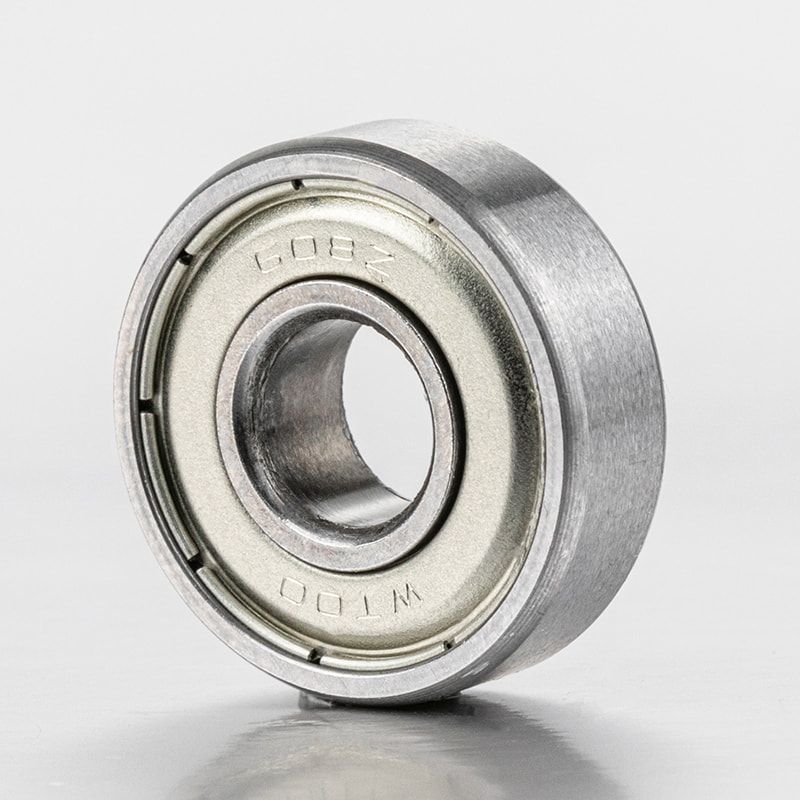
Deep groove ball bearings Deep groove ball bearings are widely used bearing type and are particularly versatile. They have low friction and are optimized for low noise and low vibration which enables ...
See Detail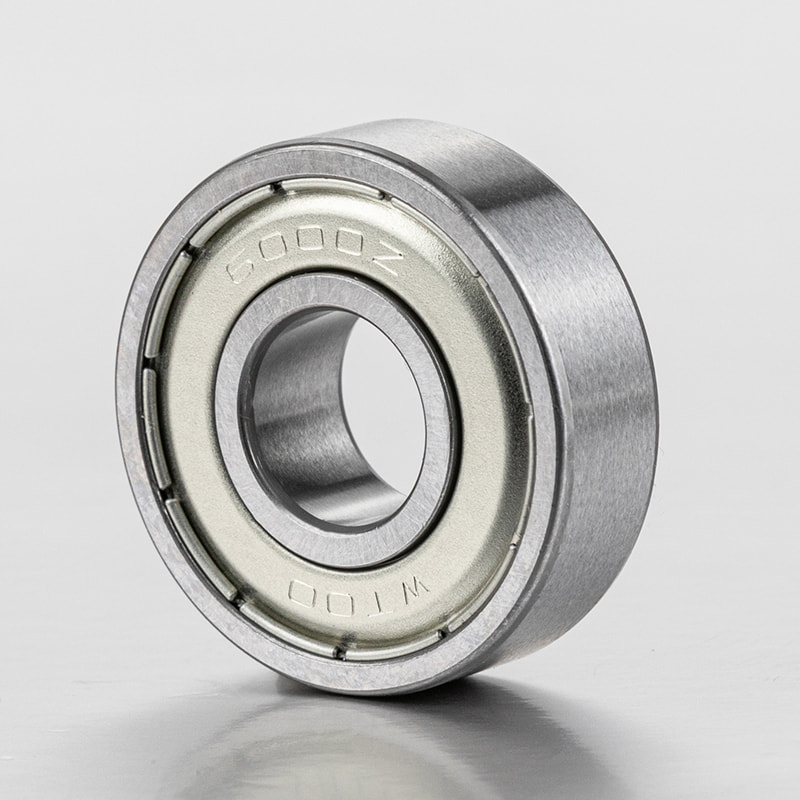
Deep groove ball bearings Deep groove ball bearings are widely used bearing type and are particularly versatile. They have low friction and are optimized for low noise and low vibration which enables ...
See Detail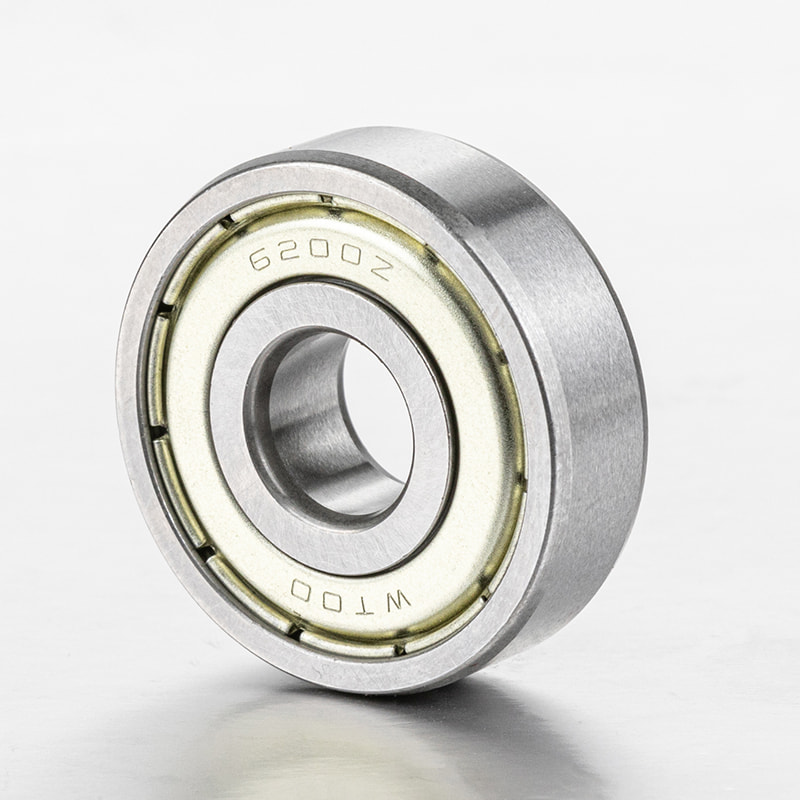
Deep groove ball bearings Deep groove ball bearings are widely used bearing type and are particularly versatile. They have low friction and are optimized for low noise and low vibration which enables ...
See Detail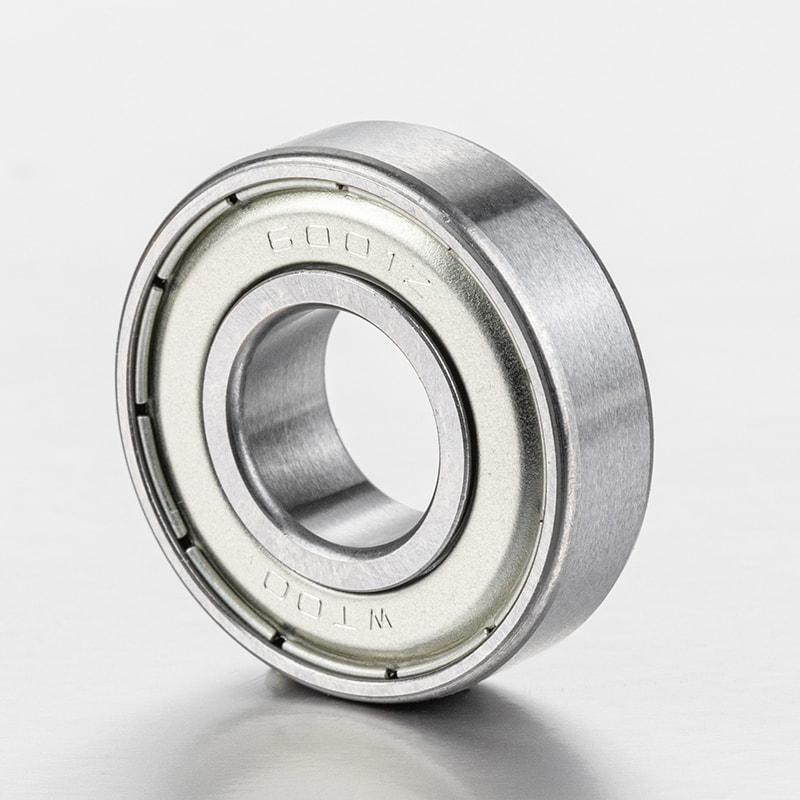
Deep groove ball bearings Deep groove ball bearings are widely used bearing type and are particularly versatile. They have low friction and are optimized for low noise and low vibration which enables ...
See Detail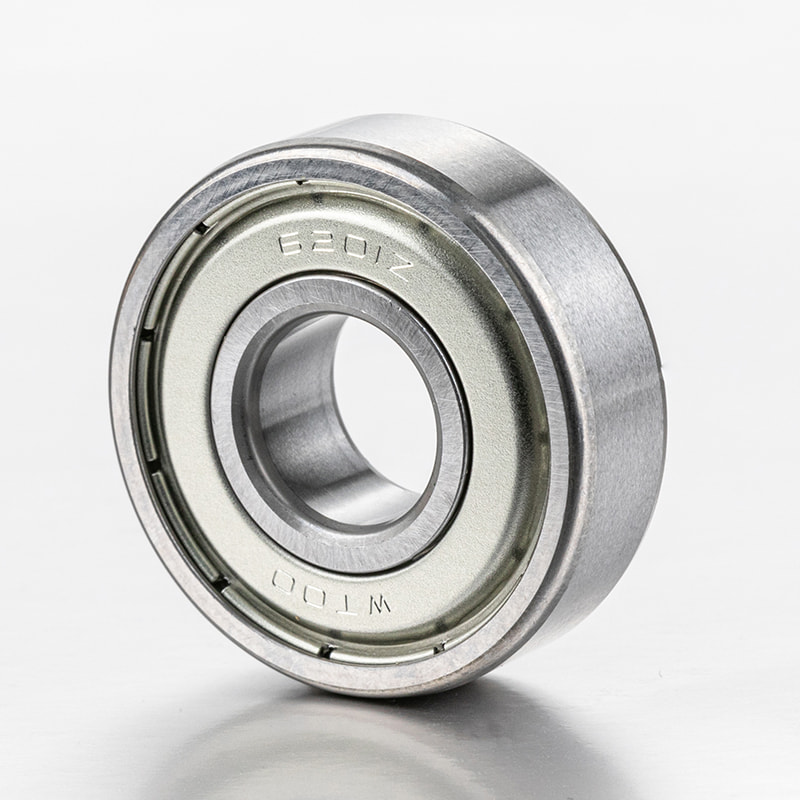
Deep groove ball bearings Deep groove ball bearings are widely used bearing type and are particularly versatile. They have low friction and are optimized for low noise and low vibration which enables ...
See Detail
Copyright ? 寧波達爾機械科技有限公司Ningbo WTOO Machinery Technology Co., Ltd. Rights Reserved.
 Custom Miniature Deep Groove Ball Bearings Suppliers浙ICP備19027530號-1

浙江省寧波市鎮(zhèn)海區(qū)駱駝街道盛興路999號

+86-0574-86578848
+86-0574-86567806
+86-0574-86553993
