
+86-574 86567814


 中文簡體
中文簡體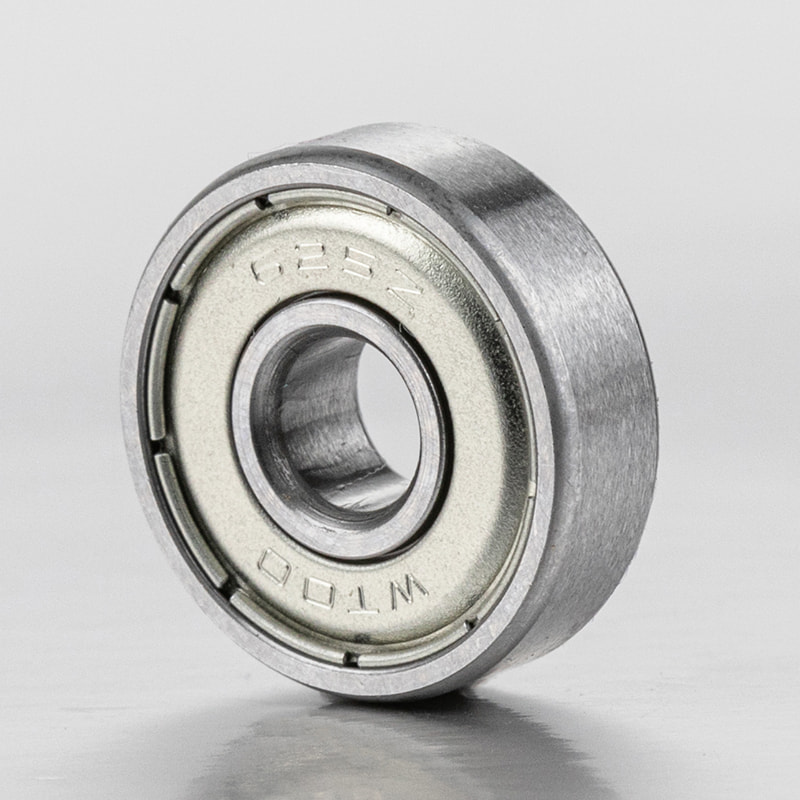
625-Super quiet, high precision, long life deep groove ball bearings
Deep groove ball bearings Deep groove ball bearing...
View more
Deep groove ball bearings Deep groove ball bearing...
View more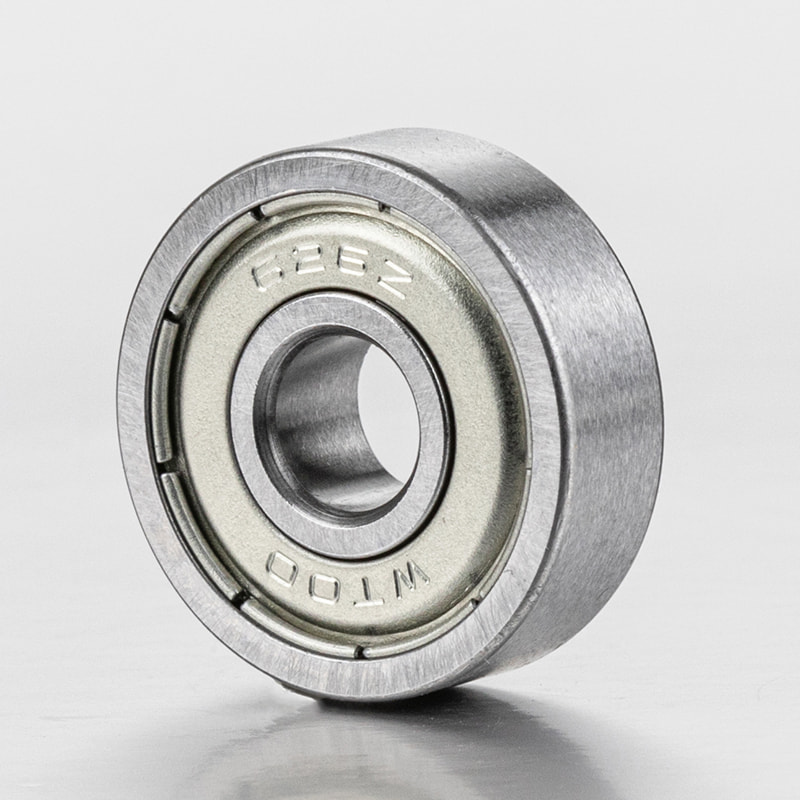
Deep groove ball bearings Deep groove ball bearing...
View more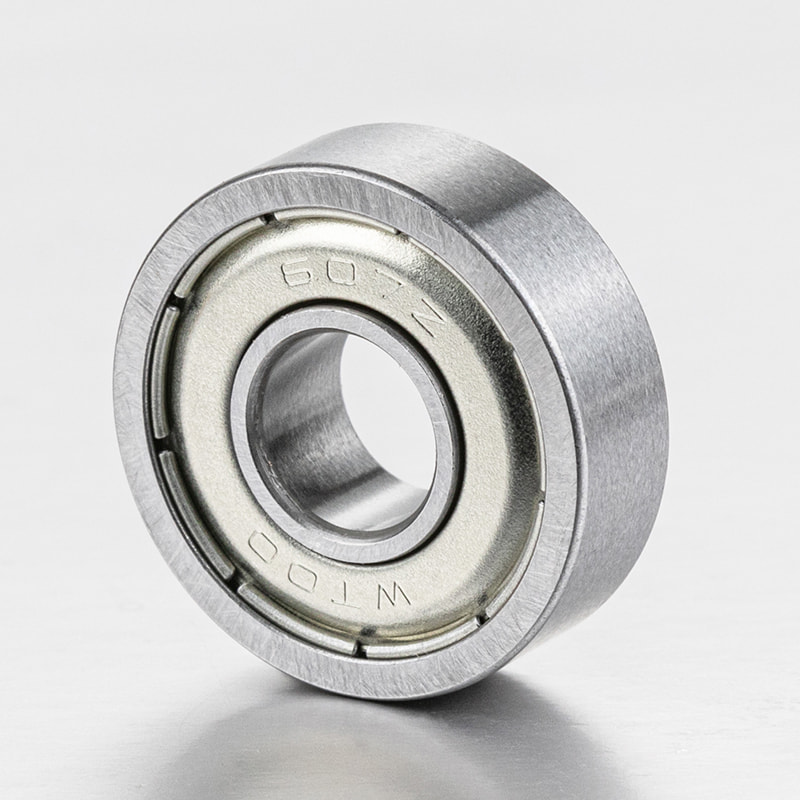
Deep groove ball bearings Deep groove ball bearing...
View moreIn the realm of high-precision motion control, Ball Screw Bearings are the silent guardians of accuracy. However, even the highest-quality bearing cannot perform to its potential without the correct preload. Preload is the internal force applied to the bearing elements to eliminate internal clearance (play) and increase the overall stiffness of the assembly. Selecting the right level is a balancing act: too little, and your machine loses precision; too much, and you risk excessive heat and premature failure.
Rigidity, or stiffness, refers to the ability of the bearing to resist deformation under an applied load. In CNC machining, robotics, and semiconductor manufacturing, any “give” in the bearing translates to errors in the final product. Preload ensures that the rolling elements (the balls) are in constant contact with the raceways, even when no external load is applied.
When a ball screw bearing is preloaded, the contact area between the balls and the raceway increases slightly. This reduces the elastic deformation that occurs when the actual working load is applied. For Ball Screw Support Bearings, which are typically angular contact designs, this axial rigidity is critical for maintaining the position of the screw during high-speed reversals.
Selecting the “correct” preload is not a one-size-fits-all process. It requires an analysis of the machine’s duty cycle, target accuracy, and environmental conditions. If you are aiming for maximum rigidity, you must also prepare to manage the thermal consequences.
A general rule of thumb in the industry is that the preload should be approximately 1/3 of the maximum axial load the bearing will experience. If the preload is set higher than this, the internal friction increases exponentially without providing a proportional increase in stiffness.
High preload generates friction, and friction generates heat. As the temperature of the ball screw increases, it undergoes thermal expansion. If the bearings are too rigid and cannot accommodate this growth, the internal force will rise uncontrollably, leading to a “thermal runaway” that can seize the bearing. For this reason, high-rigidity setups often require specialized lubrication or cooling jackets.
The way the bearings are mounted (e.g., DB - Back-to-Back or DF - Face-to-Face) significantly affects how the preload is maintained. The DB arrangement is generally preferred for ball screw support because it provides a wider “effective spread,” offering greater resistance to moment loads and higher tilting stiffness.
Even if you select the perfect preload, improper installation can negate all benefits. Precision-ground spacers are often used to set the preload in matched bearing sets. If these spacers are contaminated or uneven, the preload will be non-uniform, causing vibration and “chatter” marks on the workpiece.
| Preload Category | Stiffness Level | Heat Generation | Speed Capability | Typical Application |
|---|---|---|---|---|
| Light | Moderate | Low | Very High | 3D Printing, Packaging |
| Medium | High | Moderate | High | Standard CNC Lathes |
| Heavy | Maximum | High | Low to Medium | Precision Grinders |
The most common symptoms are excessive heat during operation, a noticeable increase in the torque required to turn the screw, and a high-pitched whining noise. You may also see “spalling” or flaking on the bearing raceways during inspection.
Yes. Generally, as preload increases, the fatigue life of the bearing decreases. This is because the internal components are under constant stress even when the machine is idle. It is essential to find the minimum preload that still meets your rigidity requirements.
For matched sets using spacers, adjustment requires grinding the spacers or replacing them with different thicknesses. For “universal” matched bearings, the preload is built into the manufacturing of the rings, and they must be tightened to the specific nut torque recommended by the manufacturer.
Preload eliminates backlash. Without preload, there is a small gap where the screw can move without moving the bearing. In precision applications, this gap causes positioning errors every time the direction of travel changes.
Deep groove ball bearings Deep groove ball bearings are widely used bearing type and are particularly versatile. They have low friction and are optimized for low noise and low vibration which enables ...
See Detail
Deep groove ball bearings Deep groove ball bearings are widely used bearing type and are particularly versatile. They have low friction and are optimized for low noise and low vibration which enables ...
See Detail
Deep groove ball bearings Deep groove ball bearings are widely used bearing type and are particularly versatile. They have low friction and are optimized for low noise and low vibration which enables ...
See Detail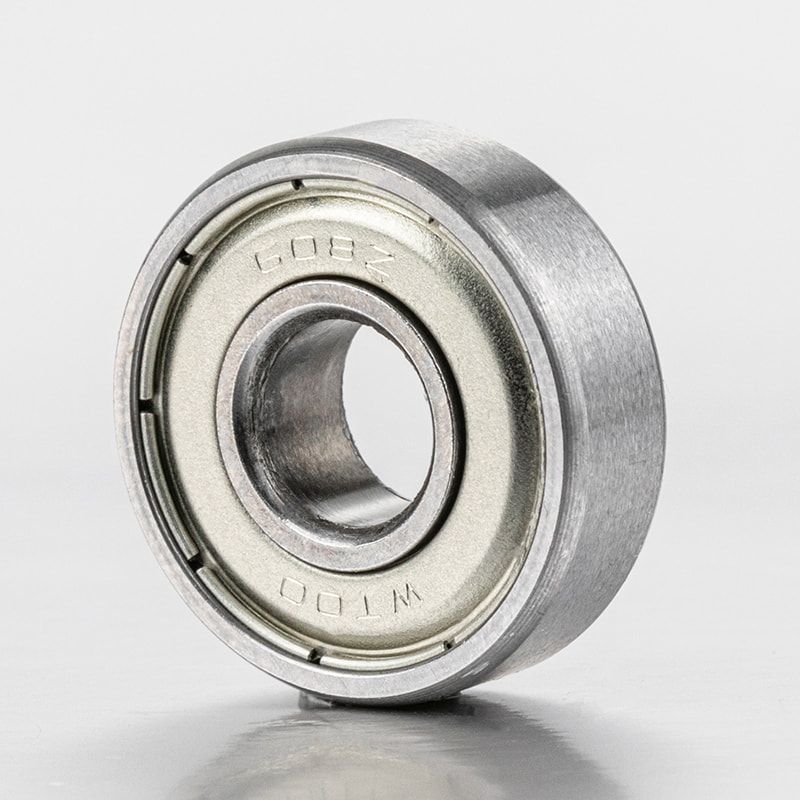
Deep groove ball bearings Deep groove ball bearings are widely used bearing type and are particularly versatile. They have low friction and are optimized for low noise and low vibration which enables ...
See Detail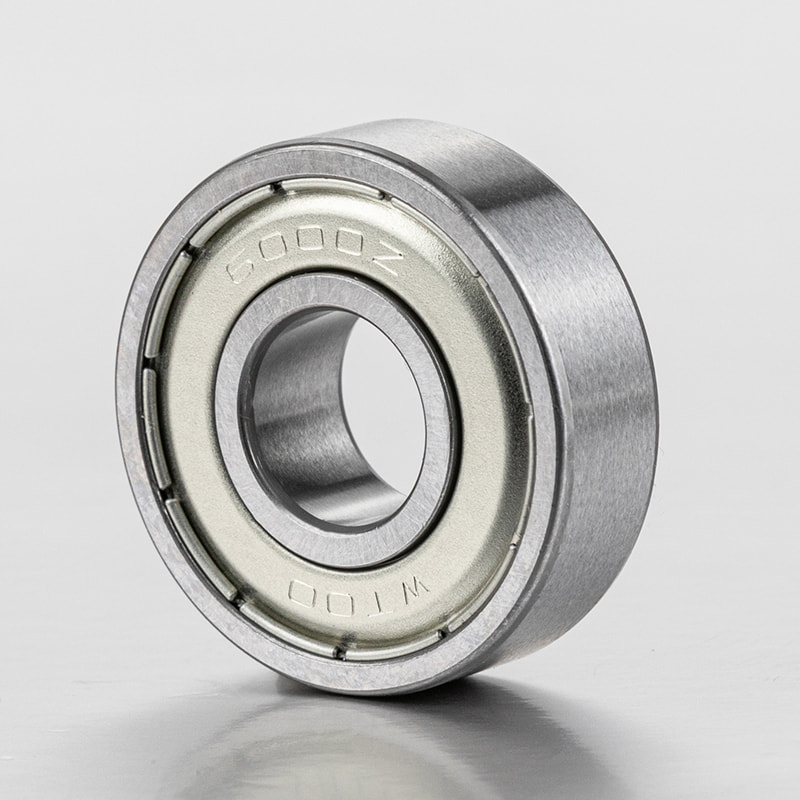
Deep groove ball bearings Deep groove ball bearings are widely used bearing type and are particularly versatile. They have low friction and are optimized for low noise and low vibration which enables ...
See Detail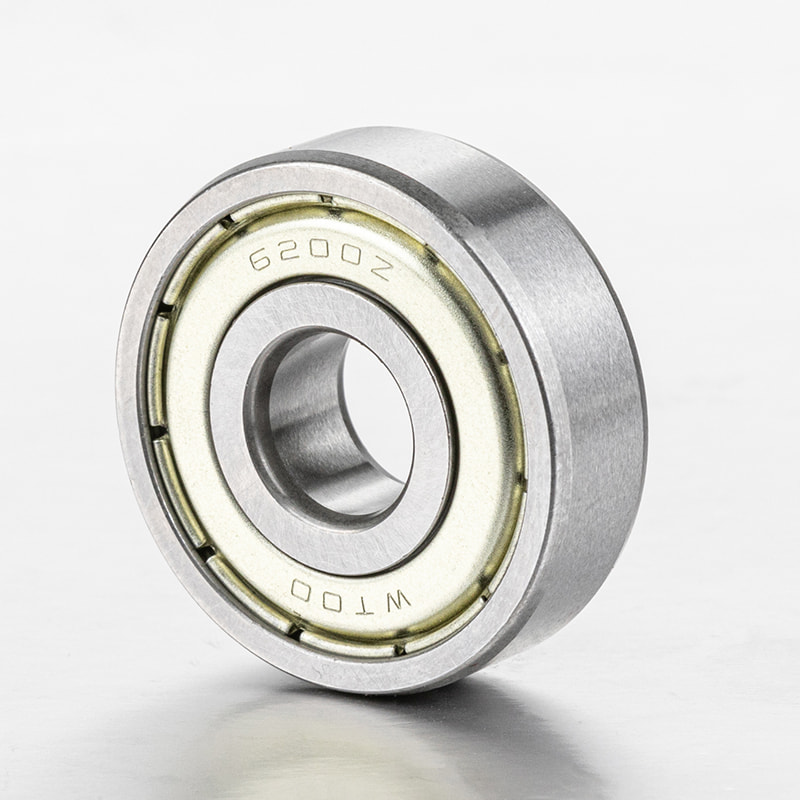
Deep groove ball bearings Deep groove ball bearings are widely used bearing type and are particularly versatile. They have low friction and are optimized for low noise and low vibration which enables ...
See Detail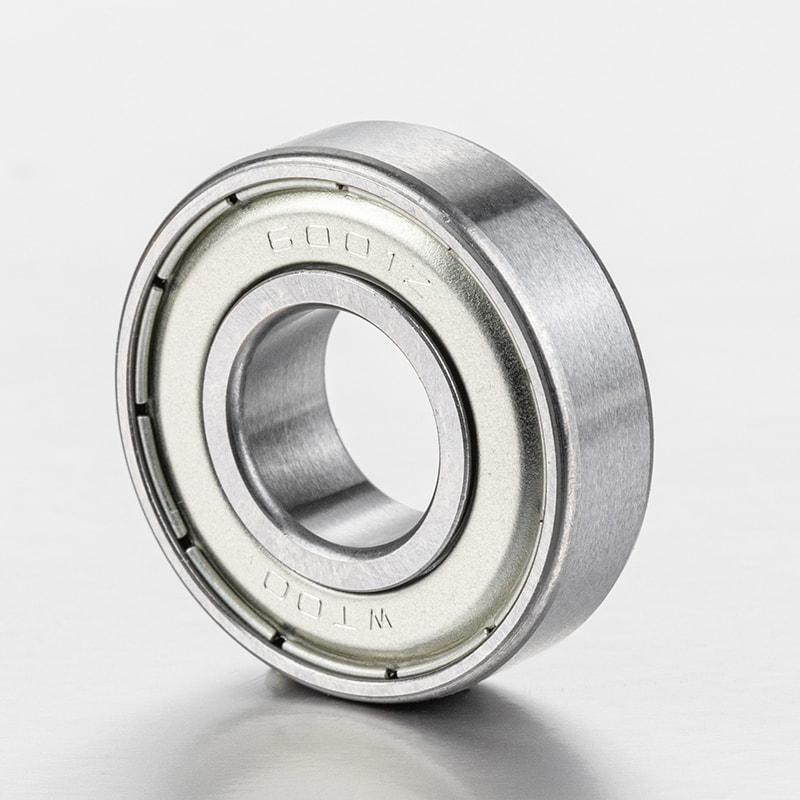
Deep groove ball bearings Deep groove ball bearings are widely used bearing type and are particularly versatile. They have low friction and are optimized for low noise and low vibration which enables ...
See Detail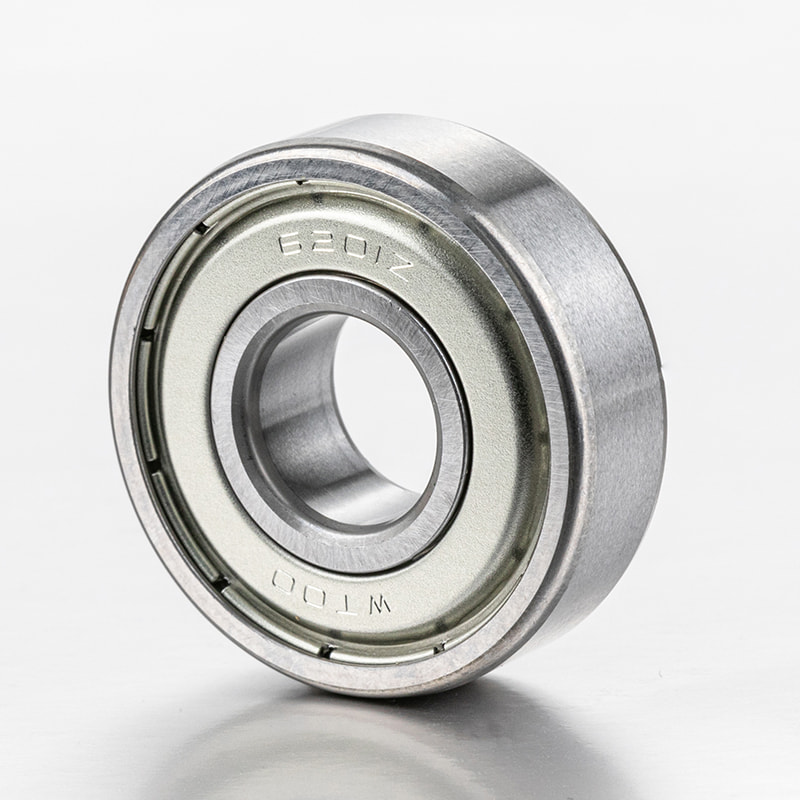
Deep groove ball bearings Deep groove ball bearings are widely used bearing type and are particularly versatile. They have low friction and are optimized for low noise and low vibration which enables ...
See Detail
Copyright ? 寧波達爾機械科技有限公司Ningbo WTOO Machinery Technology Co., Ltd. Rights Reserved.
 Custom Miniature Deep Groove Ball Bearings Suppliers浙ICP備19027530號-1

浙江省寧波市鎮(zhèn)海區(qū)駱駝街道盛興路999號

+86-0574-86578848
+86-0574-86567806
+86-0574-86553993
